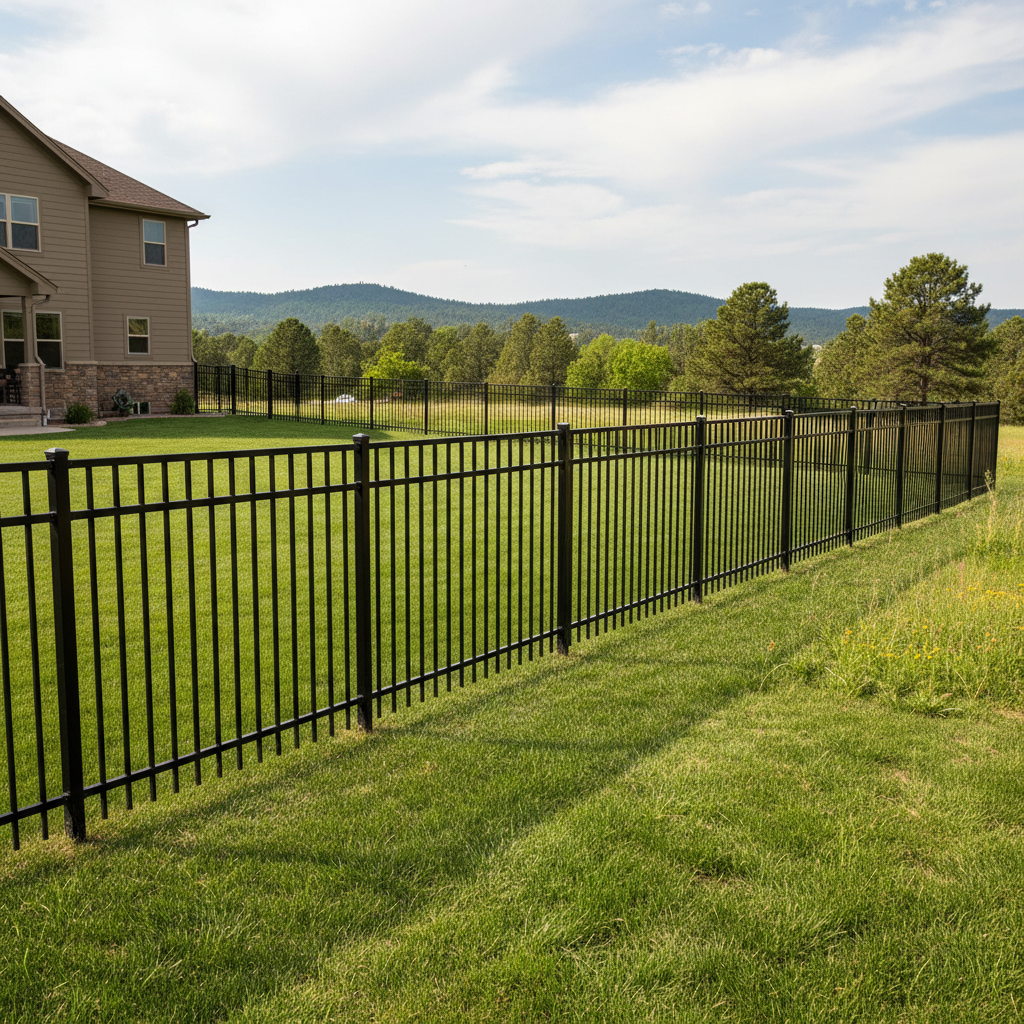
You just had a beautiful aluminum fence installed, maybe by us at Rapid City Fencing Company, or another local outfit. It looks great, adds value, and you're probably thinking, "Finally, a fence I don't have to worry about!" And you're mostly right. Aluminum is tough stuff, especially compared to wood or even some vinyls. But "low maintenance" isn't the same as "no maintenance." If you want that fence to truly last for decades and keep looking as good as the day it went in, you've got to give it a little attention.
Extending Your Aluminum Fence's Lifespan
The biggest thing you can do to extend the life of your aluminum fence is to keep it clean. It sounds simple, but it makes a huge difference. Aluminum itself won't rust, which is a massive advantage here in South Dakota where we get all four seasons throwing everything they've got at our homes. But dirt, grime, pollen, and even road salt spray from those winter months can build up on the powder-coated finish. That buildup can eventually degrade the finish, making it look dull and, over a long enough time, potentially exposing the aluminum underneath to corrosion from certain chemicals if it's not cleaned off.
Another key is to address any damage quickly. If a branch falls on it, or a kid's bike scrapes it, don't just leave it. A small scratch might not seem like a big deal, but it's an opening in that protective powder coat. We'll talk more about what to do with those in a bit.
Regular Maintenance: What You Need to Do
For most aluminum fences, regular maintenance is pretty straightforward. You're mainly looking at cleaning and inspection.
- Washing: I tell my customers to give their fence a good wash at least once a year, maybe twice if it's in a high-traffic area or near a busy road. A simple garden hose and a soft brush or sponge with some mild dish soap usually does the trick. Don't use anything abrasive, and definitely no harsh chemicals or bleach. Rinse it thoroughly afterward to make sure no soap residue is left behind. If you've got a pressure washer, you can use it, but be careful. Keep the nozzle far enough away and use a wide fan tip so you don't damage the finish or loosen any components.
- Lubrication: If you have gates, the hinges and latches will appreciate a little lubrication once a year. A silicone spray or a light oil works great. It keeps things moving smoothly and prevents squeaks.
- Weed Control: Keep vegetation from growing directly on or through your fence. Weeds and vines can hold moisture against the fence, and their growth can put stress on the panels or pickets. Plus, they just make it look messy.
Here in Rapid City, especially with our windy springs and occasional hailstorms, it's a good idea to do a quick visual check after any significant weather event. You're looking for anything out of place.
Warning Signs of Problems
Your aluminum fence is pretty resilient, but it's not indestructible. Here are a few things to watch out for:
- Scratches or Chips: As I mentioned, these are the most common issues. The powder coating is tough, but it can get dinged. If you see bare aluminum showing through, you'll want to touch it up. Most manufacturers sell touch-up paint that matches their fence colors perfectly. Clean the area, let it dry, and apply the paint carefully. This prevents any potential localized corrosion and keeps the fence looking uniform.
- Loose Fasteners: Occasionally, a screw or bolt holding a section or a gate hinge might work itself loose over time, especially with all the ground movement we can get from our freeze-thaw cycles. Just grab a screwdriver or wrench and snug it up. Don't overtighten, though; you don't want to strip anything.
- Gate Sagging or Misalignment: If your gate isn't closing properly or looks like it's dropped a bit, it's usually a hinge issue or a loose post. Sometimes a simple adjustment is all it takes.
- Dull or Faded Finish: If your fence isn't looking as vibrant as it used to, and a good wash doesn't bring it back, it might be a sign that the powder coat is starting to degrade. This usually takes many, many years, but it can happen, especially on the south-facing side that gets hit with the most sun.
When to Call a Professional
For most of the small stuff – cleaning, tightening a screw, touching up a scratch – you can handle it yourself. That's part of the beauty of an aluminum fence. But there are times when it's better to call in the pros, like us at Rapid City Fencing Company.
- Significant Damage: If a car runs into your fence, or a large tree branch takes out a whole section, that's definitely a job for us. We've got the tools and the experience to replace panels or posts without messing up the rest of your fence line. Trying to patch something like that yourself often leads to more problems down the road.
- Persistent Gate Issues: If your gate keeps sagging, or you can't get it to latch correctly after trying to adjust it, there might be a more fundamental problem with the post installation or the gate frame itself. We can diagnose and fix those trickier issues.
- Widespread Fading or Corrosion: If large sections of your fence are looking really rough, or you're seeing actual corrosion (which is rare with aluminum but can happen if the finish is compromised for a long time), it might be time for a more extensive repair or even a professional re-coating.
- Ground Heave or Post Instability: We see this sometimes in areas with heavy clay soil, like some parts of the Black Hills foothills. If a fence post starts to lift or lean significantly due to ground heave, that's a structural issue that needs proper attention. We can re-set posts correctly to ensure your fence stays plumb and secure.
Your aluminum fence is a long-term investment. A little bit of care goes a long way in making sure it stands strong and looks fantastic for decades, no matter what Rapid City weather throws at it.